TL;DR: Taras Vysotskyi says Ukraine may see up to 35 million tons of grain stuck this year if the blockade holds, and planting could fall 35 to 40 percent if the jam lasts until spring. Poland has no plan to increase farm transit. Romania says its own farmers and clogged Danube ports come first. The Commission talks about food security without a new cash or rail pledge.
Status note: Checked 4 October 2026 against POLITICO Europe's Brussels report the same day, quoting Vysotskyi, Romanian minister Barna Tánczos, Polish infrastructure spokesperson Anna Szumańska, and Agriculture Commissioner Christophe Hansen. Tonnage and hunger figures from interviewees or a cited Council on Foreign Relations report are estimates, not EU official stocktakes. Black Sea fighting can still change export volumes week to week.
The ask, and the no
Attacks on ports and ships have run into a third month. Vysotskyi told POLITICO the situation is "very, very critical." He wanted more farm products moved through Europe and €1.1 billion to offset higher shipping costs. Without cash, he said, farmers cannot plant for next season.
Poland and Romania hold the infrastructure that would have to swell. Tánczos said "the interest for our own farmers remains a priority." Excess Ukrainian grain plus low Danube water is already overloading Romanian ports, he said, so Romanian farmers cannot move their own crop. Last month Bucharest signed a memorandum with Kyiv on border crossings and rail. That is not a doubling of trains, roads or berths. "It is what it is," Tánczos said.
In Warsaw, Szumańska said the infrastructure ministry "has no plans to introduce any changes aimed at increasing the transit of Ukrainian agricultural products."
How the grain got trapped
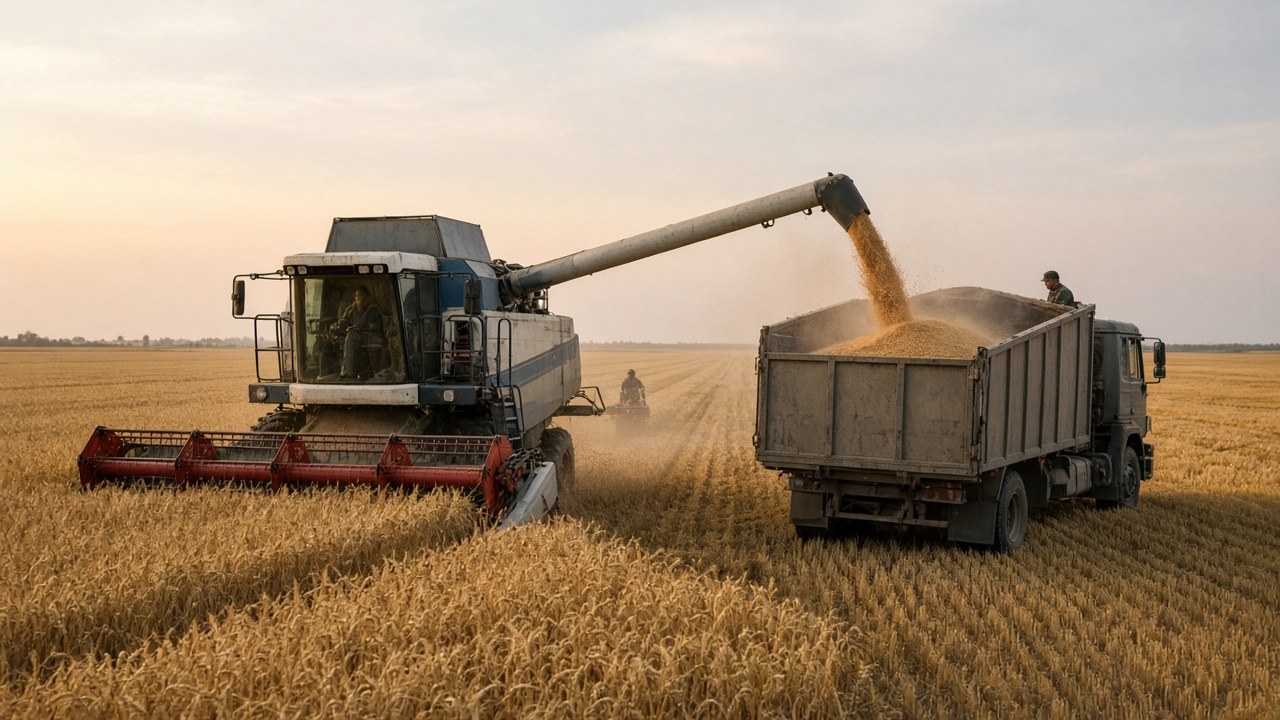
Ukraine is a major exporter of wheat, corn and oilseeds. When Black Sea shipping is unsafe, cargo tries to leave by rail, road and river through EU neighbours. Those routes already carry political scar tissue. Even before the latest fighting, Poland, Slovakia and Hungary barred imports of Ukrainian grain to protect domestic farmers. Transit is not the same as import, but extra wagons still fill elevators and ports that local growers use.
Vysotskyi said less than half of exports now get out on European land and river routes. Up to 35 million tons could remain inside Ukraine this year if the blockade lasts. Harvested grain sitting without a buyer means no cash for winter seed. "If the situation stays like this till spring, it could mean the decrease of even 35-40% of the planted area," he said.
Brussels, Berlin, and the farmers in between
Hansen told reporters the EU needs to address the problem, citing global food security, and made no new financial or infrastructure commitment in the same remarks. A German agriculture ministry spokesperson said Berlin is working in Europe to strengthen alternative export routes, with Dutch and German ports among the outlets Kyiv is eyeing.
A Council on Foreign Relations report, as quoted by POLITICO, said more than 17 percent of the world's traded grain could be affected by lower exports from Russia and Ukraine, and warned that people pushed into acute hunger by the Black Sea crisis could exceed recorded battlefield casualties of the war. That is an advocacy estimate, not a UN famine declaration.
Romanian cereal farmer Iulia Blagu described unharvested fields she cannot store or move, then watching Ukrainian grain transit. European growers are also dealing with drought, heat and high fuel and fertiliser prices. Solidarity with Kyiv and farm income in the frontline states are pulling against each other in the same week.
Where things stand
No neighbour announced a fresh, EU-wide ban on Ukrainian grain on 4 October. What happened is a refusal to add transit and storage on the routes that still work. The blockade at sea is the first choke. Politics on the land corridor is the second. Watch whether Hansen's "we need to address this" becomes money, wagons or a Council decision. Until then, Vysotskyi's 35 million tons and 35 to 40 percent planting cut remain a warning, not a finished harvest.
Sources: POLITICO Europe on Ukraine's grain appeal, 4 October 2026.