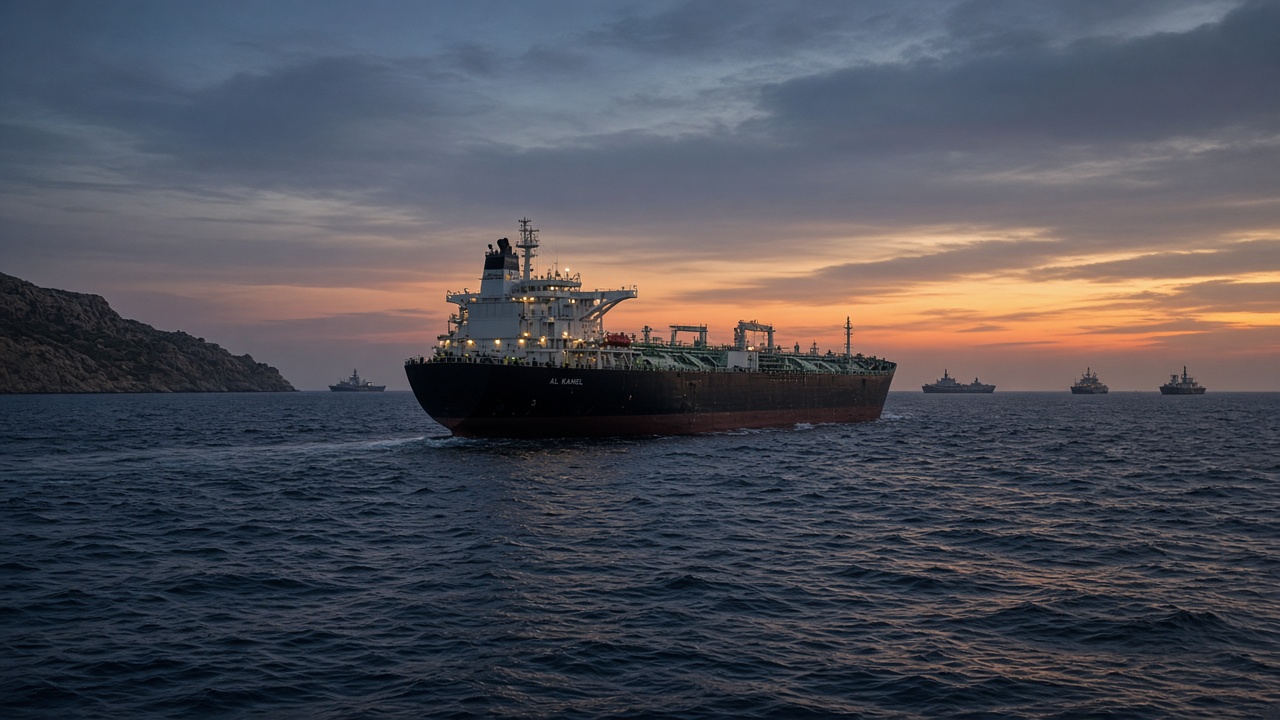
This is not a quiet diplomatic aside. Hormuz is the chokepoint that once carried roughly a fifth of the world's oil and gas. Closing it helped push crude above $100 a barrel. Reopening it, if it ever happens, would be felt at petrol pumps and in shipping rooms far from the Gulf.
TL;DR: Araghchi pushed a seven-day sequence: US frees frozen funds, lifts sanctions and ends the port blockade, Hormuz reopens, then nuclear talks. Trump called that unacceptable. Talks via Qatar continue, but the US says nuclear steps must come with any relief, and the sides still disagree on timing.
Status note: Checked 29 September 2026 against Al Jazeera's report of the New York meetings and a US official's on-record framing. Mediation lines and public claims can shift within hours.
How we got here
Iran closed the strait soon after the US and Israel opened their offensive on 28 February. Attacks on vessels since then have throttled traffic. Some cargo still moves on a US-supervised route hugging Oman's coast, often at night with trackers off, then transfers oil outside the strait. Central Command says American forces have helped about 2,000 transits and more than a billion barrels in recent months. Exports from major Middle East producers climbed back to 12.8 million barrels a day in September, the highest since the war began, but still well below the 18.8 million before the fighting.
Washington has also blockaded Iranian ports and threatened secondary pressure on firms and airports that deal with Iranian aviation. Several neighbours have already cancelled related flights. That is the squeeze Tehran wants lifted before it treats Hormuz as open again.
The seven-day offer
Iran's plan was announced on Friday at the UN General Assembly. Foreign Minister Abbas Araghchi said the United States should release frozen Iranian funds, lift sanctions and end the naval blockade of Iranian ports. He said those steps could be done in four or five days, the strait could reopen, and talks on a final deal, including the nuclear file, could start by about day seven.
On Saturday President Donald Trump rejected the proposal as unacceptable. That did not kill the channel. On Monday Araghchi met Qatari mediators in New York. He told Iranian state media the Qataris would carry the ideas to the US side and that he hoped for Washington's final reply by Tuesday. He said he would fly home within hours rather than wait in New York: whenever Qatar has an answer, they know how to deliver it.
He framed the talks as part of an existing message relay through Qatari and Pakistani mediators that had grown more serious since Iran tabled the plan. In other words, this meeting was a handoff, not a signing ceremony.
Washington's sequencing fight
A US official speaking to Al Jazeera called the indirect talks positive and constructive, then drew the hard line: no agreement to end the war unless the nuclear programme is addressed. The same official said Trump is willing to ease sanctions and release frozen funds in exchange for nuclear progress. Iran, the official said, has signalled flexibility on nuclear issues, but the sides remain apart on the timing of commitments and who takes which steps first.
That is the real story under the headlines. Tehran wants economic and maritime relief first, then nuclear talks. Washington wants nuclear movement tied to any relief. Until that sequencing breaks, Hormuz stays a bargaining chip, not a reopened corridor.
Speaking to reporters on Monday, Trump said US officials had also spoken with mediators and insisted Washington would win, and quickly. He tied victory to falling gas prices. Those lines are political theatre. They are not a signed timeline for reopening the strait.
What each capital is still selling
In Tehran the public tone stayed hard. Supreme Leader Mojtaba Khamenei, in a message marked for wartime memory and past regional shocks, said foreign domination was over and that adversaries who had been hit in Hormuz dared not push past the Arabian Sea without cost. The armed forces chief of staff warned of a decisive response to any threat. A senior naval commander insisted the strait remains closed and that Iranian forces are ready to keep enemy forces out.
The US official, for his part, accused Iran of breaking a June memorandum of understanding by firing on commercial vessels. Tehran denies that charge and says Washington broke its own commitments by failing to halt Israeli attacks on Lebanon and by trying to build alternate shipping routes through Hormuz. Both narratives matter for readers online: each side is writing the other as the deal-breaker before any deal exists.
Where things stand
A mediator meeting is not a ceasefire. Trump's rejection of the seven-day plan still stands as the last clear presidential line on that text. Indirect talks can be "positive" and still leave Hormuz closed. Araghchi's hope for a Tuesday reply is not a done deal, and CENTCOM transit numbers are not proof the chokepoint is back to normal peacetime traffic.
Sources: Al Jazeera on Araghchi, Qatar mediators and US nuclear sequencing.