TL;DR: From 30 October, plywood sheets, some paper, certain machinery and refrigeration gear, and some packing crates leave the 50 percent Section 338 duties on Canadian goods. Valves, carpets, waste products and other lines go on. The tariffs still apply even to USMCA-origin goods and sit on top of Section 232 duties. Collins wanted help for Maine growers. Ottawa is studying the change. A carve-out is not a ceasefire.
Status note: Checked 26 October 2026 against the White House fact sheet dated 23 October 2026 on further modifying Canadian products under Section 338, BBC and Associated Press accounts of the same action, and public comments from Collins and Canada's Dominic LeBlanc. Exact Harmonized Tariff lines live in the proclamation annexes. Scope disputes and further swaps can still move.
What changes on 30 October
On 23 October 2026, President Donald Trump signed a proclamation under Section 338 of the Tariff Act of 1930 that further modifies Proclamation 11048, the measure that piled additional duties on certain Canadian goods tied to motor-vehicle discrimination, as amended earlier on 8 September.
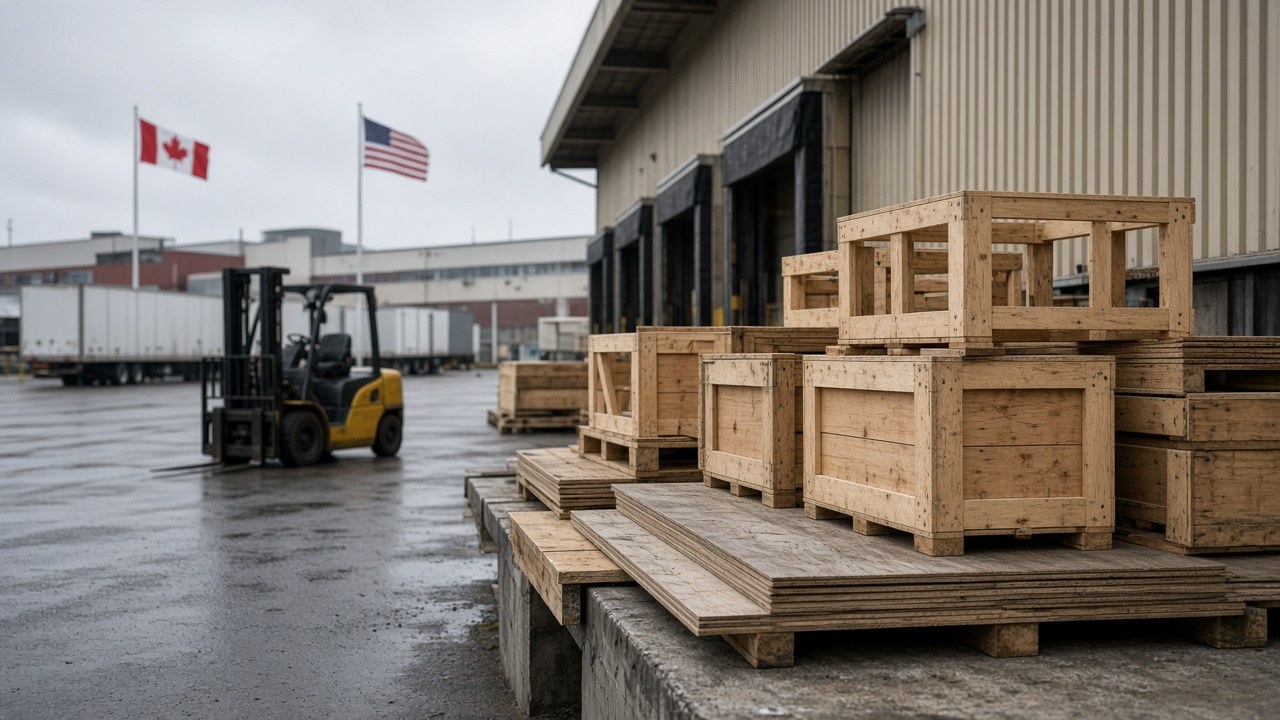
According to the White House fact sheet, products coming off the tariff scope include plywood sheets, some paper products, certain machinery and refrigeration equipment, and certain packing crates and boxes. Products going on include certain valves, carpets, waste products, and others. Both the removals and the additions take effect on 30 October 2026.
The fact sheet is explicit on two points that soft headlines often skip. First, these Section 338 tariffs apply to covered goods whether or not they qualify under the US-Mexico-Canada Agreement. Second, they apply in addition to tariffs under Section 232 of the Trade Expansion Act of 1962, the national-security tariff tool. Leaving one line does not wipe a second tax on the same shipment.
How we got to a mid-autumn product swap
The White House frames the action as a continuation of its response after Canada, in Washington's telling, walked away from a near-final trade deal last summer and imposed new retaliatory tariffs on about $20 billion of US exports. Trump then signed five Section 338 proclamations that banned some Canadian products and widened the tariff list first announced on 20 July 2026 and modified on 8 September.
BBC reporting puts the earlier 50 percent levy on about $20 billion of Canadian goods after August talks collapsed. Canada answered with countermeasures. Prime Minister Mark Carney has called those steps necessary to protect Canadian workers and has matched US tariffs dollar for dollar after the breakdown, according to the same coverage.
Section 338 lets the president suspend, revoke, supplement or amend a proclamation under that statute when he judges the public interest requires it. Friday's move is that kind of amendment: refine the list, keep the tool.
Maine politics on the same desk
Collins, a Republican locked in a hard re-election fight with Democrat Troy Jackson, said she had spoken with US Trade Representative Jamieson Greer and Commerce Secretary Howard Lutnick about the toll on Maine families, farms and businesses. Many growers, she said, rely on specialised Canadian equipment and packaging that US suppliers cannot easily replace.
She told supporters the exemptions matter for blueberry, potato, apple and seaweed producers. Jackson answered that Trump's trade wars made life harder for Mainers and that Collins wants credit for "bringing a cup of water to put out the fire."
AP and PBS framed the carve-out as help for Collins before the 3 November midterms. The White House text does not name Collins. It talks about offsetting the burden to US commerce while better serving the public interest.
What Ottawa said, and what is still unsettled
Canada's internal trade minister Dominic LeBlanc said Canada is assessing the latest steps and stands ready to work toward a more mutually beneficial relationship that respects Canadian interests. Carney, quoted by CBC via BBC, said Canada could sign a proper deal "this afternoon if the US were there," and that Ottawa will wait months or longer if needed.
Also on Friday, Trump said Canada was "working very hard" on a trade deal. That is a talking point next to a proclamation that still expands the tariff list in other categories.
Where things stand
From 30 October, some Canadian plywood, paper, machinery, refrigeration gear and packing materials leave the Section 338 50 percent stack named in the White House sheet. Some valves, carpets, waste products and other lines enter it. USMCA origin does not clear the duty. Section 232 can still stack. Collins claims a win for Maine farms. Canada has not called this a settlement.
Readers who saw "US lifts Canada tariffs" got half the sentence. The other half is that Washington also added products, kept the statute, and left the wider fight open.
Sources: White House fact sheet on modifying Canadian Section 338 products, 23 October 2026; BBC on the carve-out and midterms; Associated Press on Collins and the exemptions.