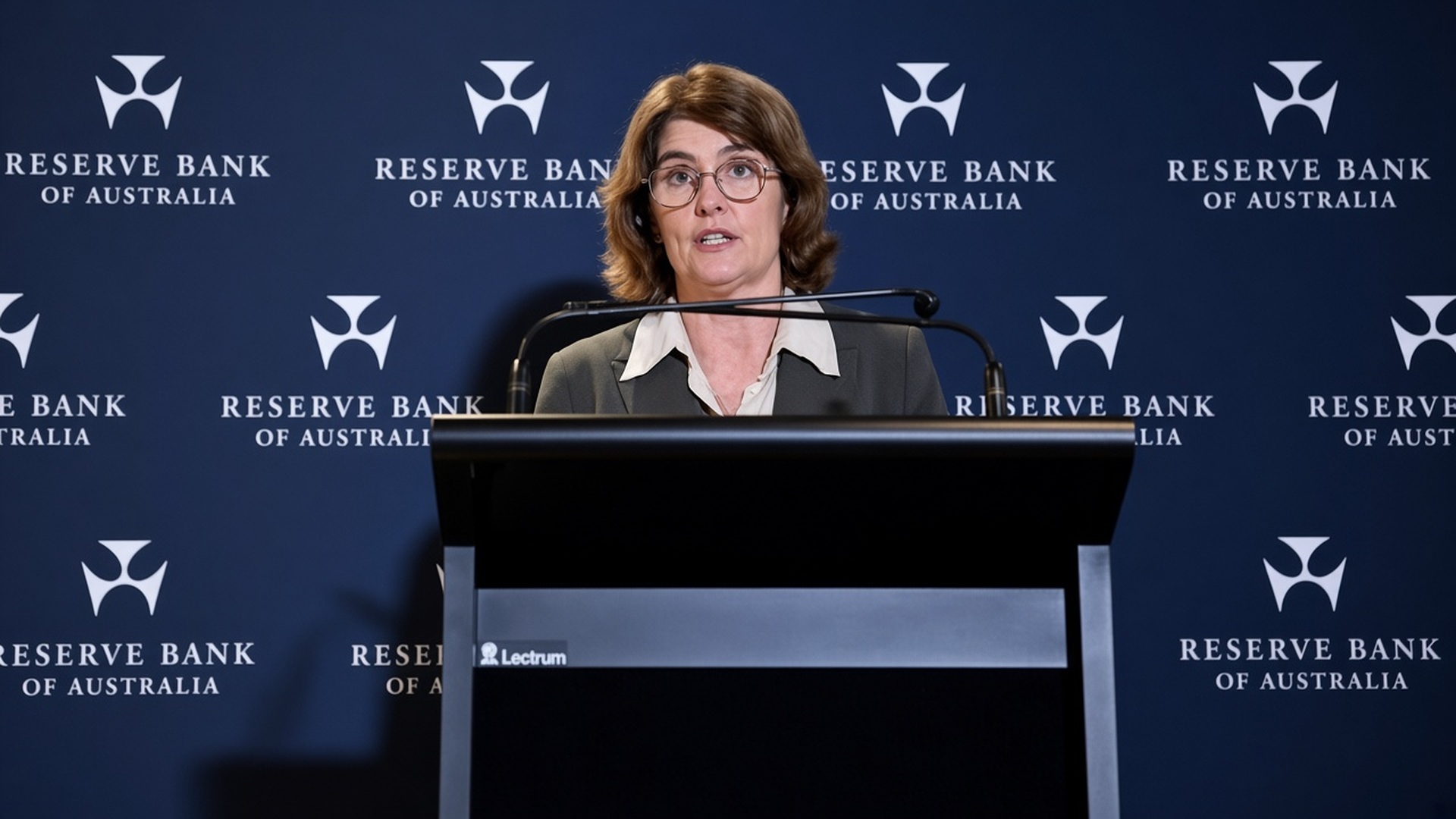
That is the fourth increase this year and the highest cash rate since late 2011. The board said upside inflation risks flagged in August are now showing up, and it left the door open to another hike if needed.
Do not invent a split board, a locked November rise, or a precise dollar hit to every mortgage. The bank published a unanimous decision and a data-dependent warning, not a fixed next move.
TL;DR: The RBA lifted the cash rate to 4.60% on 29 September, effective 30 September. It was unanimous and the fourth hike of 2026. Energy prices, the Middle East conflict, AI-related costs and domestic capacity pressure are the reasons the board cited. Another rise is possible; it is not already decided. Mortgage holders and anyone pricing Australian loans should care.
Status note: Checked 29 September 2026 against the RBA Monetary Policy Decision (media release 2026-27) and the cash rate target page. Next scheduled update is 2.30 pm on 3 November 2026. Bank pricing of home loans can lag the cash rate.
What the board decided
The cash rate is Australia's overnight policy rate, the main lever the Reserve Bank uses to cool or support the economy. At its meeting today, the Monetary Policy Board raised that target by 25 basis points, from 4.35% to 4.60%.
A basis point is one hundredth of a percentage point. So 25 basis points is a quarter of a percent. The bank's cash rate overview lists the new target as effective from 30 September 2026, with the next update due on 3 November.
Today's policy decision was unanimous. That matters because some previews had floated a split vote. The published statement closes that rumour for this meeting.
Why the RBA moved
The board said inflation remains elevated and that some upside risks flagged in August are materialising. It named a broader Middle East conflict and global energy prices much higher than the August forecasts assumed. It also pointed to AI-related demand pushing global prices for technology-related goods, and to pressure on domestic capacity.
Liaison with firms, the bank's business contact programme, shows companies facing cost pressure and either raising prices or planning to. Short-term inflation expectations remain elevated. Recent Australian inflation outcomes were stronger than expected at the previous meeting.
Higher fuel prices have partly passed through into other goods and services. That impulse sits on top of capacity pressure already in the economy. In plain terms: energy and war costs are not staying in the petrol bowser alone.
What is cooling, and what is not
Growth in output has slowed, though the June quarter was a bit stronger than expected at the margin. Consumer spending looks to be easing gradually. Housing prices have fallen in most capital cities and new housing loans have declined noticeably. Labour market conditions have eased broadly as expected, with leading indicators broadly stable.
Business investment and debt growth remain strong. That split matters. Households and the housing pipeline are cooling. Parts of the business side are still running hot enough to worry a board focused on inflation.
The board also flagged weak productivity growth and uncertainty about how far the housing downturn will drag activity. It said there are scenarios where inflation is higher and activity lower than forecast. That is the stagflation-style risk list, not a recession call as the base case in this statement.
What happens next
The board said the three increases earlier in 2026 have already tightened financial conditions and the economy appears to be slowing. It still judged that inflation is too high and that a further tightening was warranted to support a return to target in a reasonable period.
It will "continue to do what it considers necessary," including increasing the cash rate further if needed. That is an open door, not a booked appointment. The next decision window on the bank's own calendar is 3 November 2026.
For readers with a variable home loan or a business facility, the practical takeaway is simple. The policy rate is now 4.60%. Banks set retail rates separately, so your repayment change depends on your lender's pass-through, not on a figure invented in a headline. Treat "rates already going to 5%" as market speculation unless the board publishes another move.
Sources: RBA Monetary Policy Decision, 29 September 2026; RBA cash rate target overview.