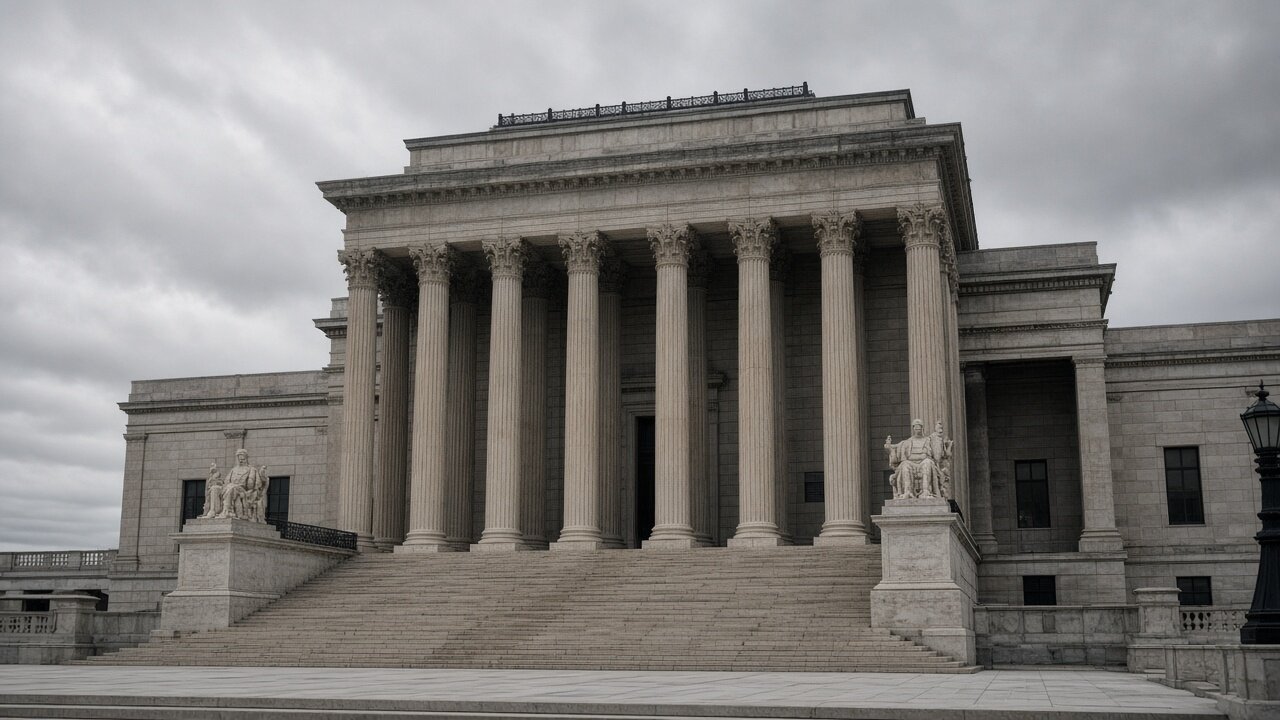
The order does not decide whether the policy is lawful. It freezes a Boston judge's block so removals can resume until the high court hears the case and rules later. Immigrant-rights groups call the pause a green light for transfers they say leave people beaten, detained, or disappeared. The Justice Department calls the tool essential, including for some of the most serious criminal cases.
TL;DR: A 6-3 conservative majority put Judge Brian Murphy's ban on hold. Third-country deportations can restart before the Court rules. Rights groups say more than 25,000 people have already been sent to 29 countries under the policy, mostly to Mexico. Arguments are set for December. The final word on the policy still comes later.
Status note: Checked 30 September 2026 against Reuters reporting via Devdiscourse. The stay is in force. December arguments and the later merits ruling can still reshape the policy. Counts of past removals come from rights-group tallies cited in that coverage.
How we got here
Third-country removal is the practice of flying or busing someone out of the United States to a place that is neither their home country nor the place they fled. The Department of Homeland Security has used it when home-country return is blocked, delayed, or politically hard, and when Washington can secure another government's agreement to take people.
Under the contested policy, removal can move fast if the third country has given a diplomatic assurance that the person will not face persecution or torture there. In that lane, officials have treated notice as unnecessary. If there is no such assurance, the government is supposed to tell the person the destination. Fear is assessed only if the individual raises it. Critics say that design leaves little room to gather evidence, find a lawyer, or prove risk before the plane leaves.
Immigrant-rights groups sued in a class action. In February, US District Judge Brian Murphy in Boston held that the policy breaks immigration procedures and the Fifth Amendment's due-process guarantee, the constitutional rule that the government cannot strip liberty without fair process. He blocked the policy. On 18 September the First Circuit Court of Appeals upheld most of that ruling. The administration then asked the Supreme Court for emergency relief. On Tuesday the Court granted it.
What the Court did on Tuesday
The justices granted the Justice Department's emergency request to put Murphy's ruling on hold. That stay lets the Department of Homeland Security resume third-country removals while the case proceeds. The Court will hear arguments in December. A formal ruling on whether the policy is lawful comes after that hearing, not with this stay.
The vote to allow the immediate restart tracked the Court's conservative majority, 6-3. The three liberal justices dissented from letting removals resume now. The public reporting on the stay does not turn this into a full opinion on the merits. It is an emergency pause of the lower-court block, with merits still queued for later.
For people already in removal pipelines, the practical effect is immediate. Flights and transfers that Murphy's order had stopped can move again under the administration's rules unless a later Supreme Court decision cuts them back.
What the policy does, and who it hits
Rights groups tallied more than 25,000 migrants deported to 29 countries under the policy since last year. They say the vast majority went to Mexico. Other destinations named in the coverage include South Sudan, Uganda, Equatorial Guinea, Liberia, and the Central African Republic. Those are not symbolic footnotes. Several of those states have weak protections, conflict zones, or thin systems for people dumped there with no local ties.
The Justice Department defends the programme as an essential tool, including for some of the worst criminal aliens, in the department's wording. Murphy and the plaintiffs say the same machinery also hits migrants who already have legal protection from being returned to their home countries. In other words, someone who cannot safely go home can still be shipped to a third country under this design.
Plaintiffs allege that some people were unlawfully transferred toward home or into danger, and that outcomes have included beatings, sexual assault, detention, and disappearances. Those are allegations in the litigation and in advocacy reporting tied to the case. They are part of why Murphy treated due process as more than paperwork. They are also why rights groups treat Tuesday's stay as more than a scheduling tweak.
Orders ignored, then a circuit win, then the stay
Murphy has already found that the administration violated his orders. That history matters for readers trying to separate "policy disagreement" from "court order compliance." The Boston record, as described in the reporting, is not a one-day clash. It is a months-long fight over whether the executive branch would obey interim limits while the case moved.
The First Circuit's 18 September decision kept most of Murphy's block in place. That left the administration needing the Supreme Court if it wanted removals restarted before a full high-court ruling. Tuesday's emergency grant is that restart. It does not erase Murphy's February findings or the circuit's September affirmance. It overlays them with a stay so the government can act until the justices decide the merits.
On Monday, before the stay, UN experts urged a halt, citing a heightened risk of abuse. Their call is not binding US law. It sits in the same week as the Court's order and underscores the international alarm around third-country dumps into fragile states.
Where things stand
Third-country deportations can resume under the administration's policy while the case waits for December arguments and a later merits decision. Murphy's ruling is on hold, not vacated as a final word on legality. The three liberal justices opposed letting removals restart immediately. Rights-group tallies put past transfers above 25,000 people across 29 countries, mostly to Mexico, with named destinations that include South Sudan, Uganda, Equatorial Guinea, Liberia, and the Central African Republic.
Tuesday's order is not a final blessing of the policy. It is not a finding that due-process claims failed. It is a green light to keep removing people under the contested rules until the Supreme Court finishes the case. Anyone reading a headline that the Court "approved" third-country deportations as settled law is ahead of the calendar. Settled law on the merits is still December arguments away, then a later opinion.
Sources: Reuters via Devdiscourse on the Supreme Court stay and third-country removals.