TL;DR: TaiwanPlus reported on 4 October 2026 that TSMC is discussing a potential part in Musk's Texas Terafab. Musk said talks are still early. Options on the table include TSMC owning and operating while SpaceX invests and buys chips, or SpaceX taking a majority stake. Intel was previously named for Musk's 14A node plans; if TSMC joins, Intel's role is unsettled, not automatically dead. No deal, no shovels, no exclusive supply contract in writing yet.
Status note: Checked 5 October 2026 against TaiwanPlus (4 October), Tom's Hardware citing Tim Culpan's Culpium newsletter (3 October), and Musk's posts on X. Deal structure, Intel's place, and any government subsidy package can still change or collapse while talks stay informal.
What Terafab is supposed to be
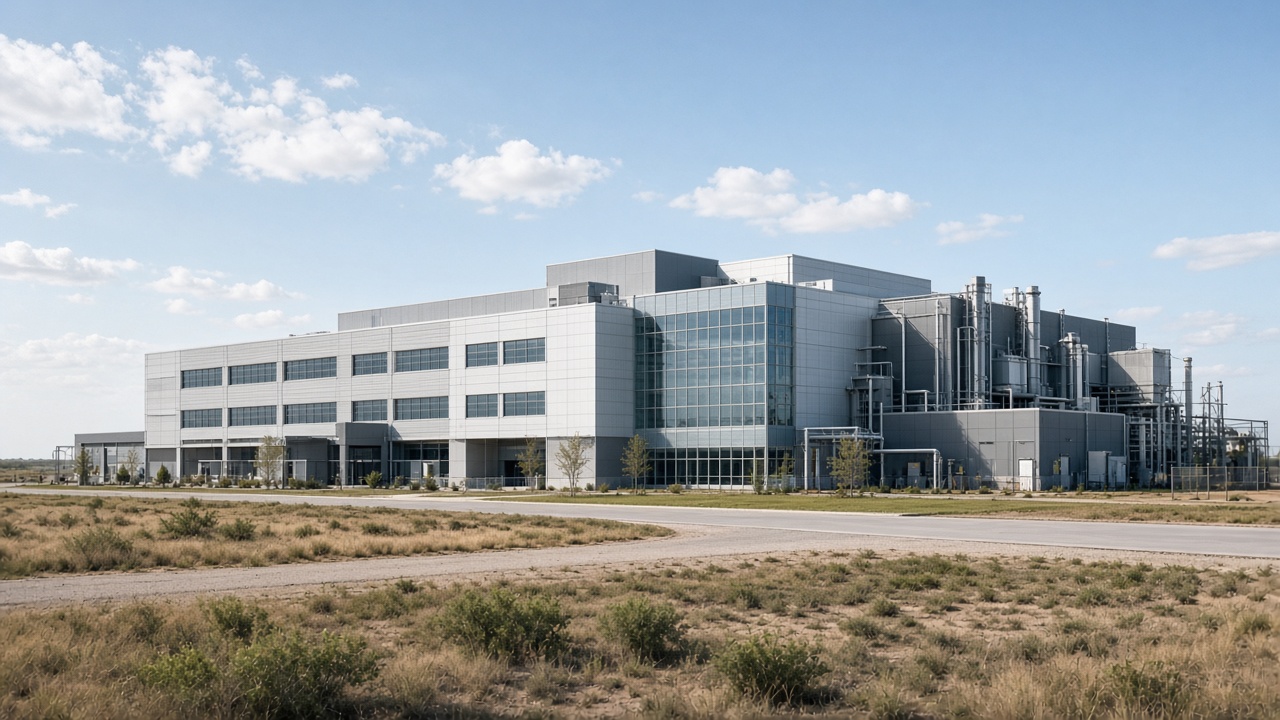
Elon Musk has been pitching a very large semiconductor factory in Texas under the Terafab name, tied to the companies he runs or backs: Tesla for cars and robots, SpaceX for rockets and satellites, and xAI for data-center compute. Musk's silicon hunger grew as Tesla leaned on in-house AI chips for driving and robots, SpaceX stacked Starlink and Starship avionics, and xAI competed for training clusters against every other hyperscaler.
The idea is not a generic merchant foundry selling wafers to whoever pays. Reporting from Tim Culpan, picked up by Tom's Hardware on 3 October, describes a collaboration under which TSMC would build and operate a facility that would serve Tesla, SpaceX, and xAI exclusively.
That exclusivity matters for how you read the headlines. A TSMC logo on a Musk slide would not mean every phone maker gets first dibs on the same lines. It would mean captive capacity for Musk's own product roadmaps, with TSMC's process expertise doing the manufacturing heavy lifting.
Intel had already been publicly linked to Terafab as a partner on Musk's 14A node ambitions. If TSMC enters the conversation in a serious way, Intel's node role becomes an open question. Nothing in the public record as of early October cleanly removes Intel from the table; it simply means two major foundry names are now in the rumor and reporting mix, not that one won by default.
What TSMC's CEO said about time and capacity
TSMC chairman and CEO C.C. Wei did not pretend fabs appear overnight. TaiwanPlus quoted him saying a new wafer fabrication plant takes two to three years to build, and adding meaningful capacity on top of that needs another one to two years. There are no shortcuts around physics, permitting, tool install, and yield learning.
That timeline is the antidote to social posts that treat a handshake photo as chips in Optimus robots next quarter. Even a signed deal today would still face a multi-year gap before high-volume output. Early talks compress none of that.
The deal shapes reporters are sketching
TaiwanPlus laid out two broad structures under discussion. In one, TSMC would own and operate the plant while SpaceX puts in capital and commits to buying the output. In another, SpaceX would hold a majority stake in the venture while TSMC runs fabrication. Both versions keep TSMC's operating know-how at the center; they differ on who owns the balance sheet and who eats the risk if demand wobbles.
Musk confirmed on X that discussions with TSMC are happening and stressed they remain early. That matches Wei's sober fab calendar and the absence of any joint press release with dollar figures, acreage, or a public groundbreaking date.
Texas already hosts Samsung's expanding Austin-area fab complex and various packaging and test plants; adding Terafab would deepen the state as a U.S. manufacturing hub but would still compete for the same construction labor, power contracts, and tool delivery slots every mega-project fights over.
Where things stand
TSMC talking to Musk about Terafab is real enough to report. It is not a signed foundry agreement, not a U.S. CHIPS Act award announcement, and not proof that Intel is out of Musk's silicon plans. Watch for term sheets, equity splits, and whether exclusivity for Tesla, SpaceX, and xAI shows up in binding language rather than newsletter sourcing.
Until then, treat viral claims of a finished Musk-TSMC megafab as ahead of the evidence. The story is early-stage courtship between the world's leading contract chipmaker and a customer who wants captive supply for cars, rockets, and AI servers, with years of build time even after yes.
Sources: TaiwanPlus, 4 October 2026; Tom's Hardware on Musk's TSMC talks and Terafab exclusivity reporting, 3 October 2026.