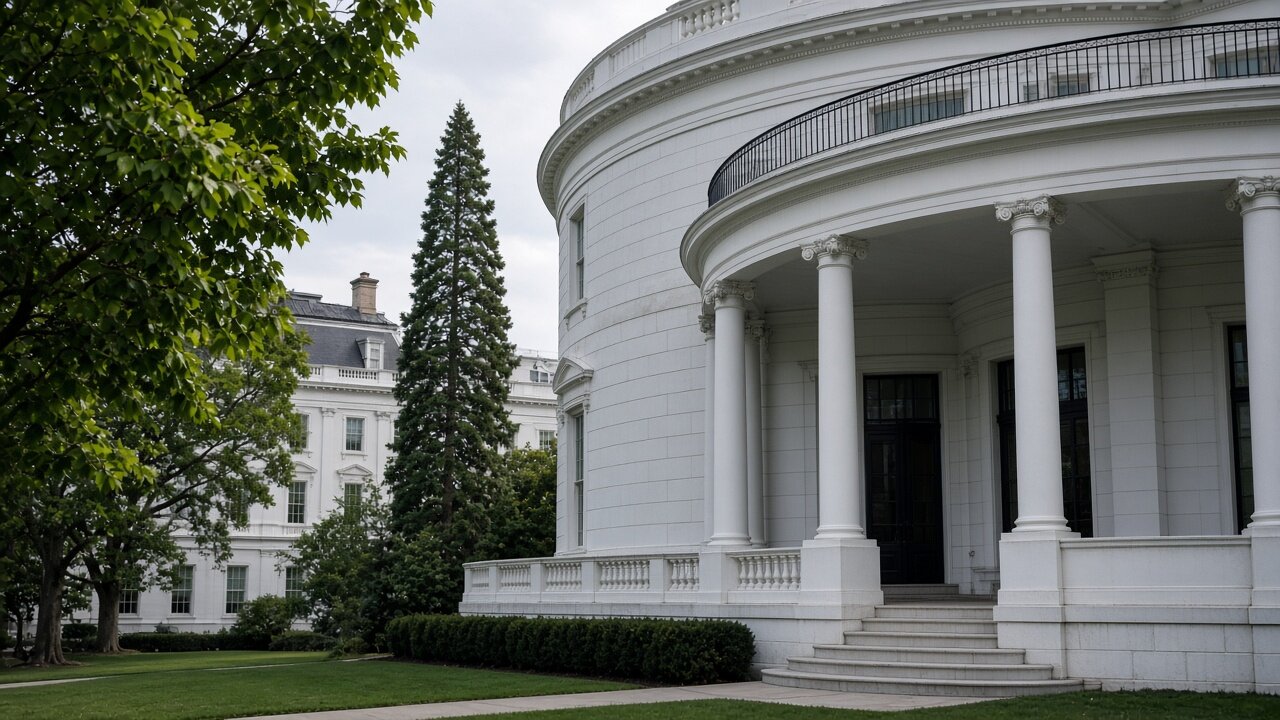
TL;DR: Trump floated a 10-person AI oversight committee after the White House tech lunch. Executives signed a "morally binding" deal with no public fine print. A new government-services AI tool launched the same day. Senate AI rules are still stuck. This is talk and staging, not a finished regulator.
Status note: Checked 30 September 2026 against Nikkei Asia reporting of Trump's Tuesday comments and the same-day government AI tool announcement. The committee is under consideration, not stood up. The "morally binding" agreement has not been published in full. Senate AI legislation remains stalled; Senator Ted Cruz has said he hopes progress after the November midterms.
What changed after the lunch
AMU already covered the White House tech gathering. Tuesday's news is the follow-on: Trump saying he is thinking about a fixed 10-person oversight committee, plus the soft pledge language and the same-day product launch for government services.
That sequencing matters. A lunch with CEOs can look like theatre. A public float of a numbered committee is a political signal that pressure for some form of oversight did not end when the plates were cleared. It is still a float. No membership list, charter, or legal power has been published with the remark.
Who sat at the table
The guest list, as reported, mixed frontier AI and big platforms. Anthropic's Dario Amodei, Meta's Mark Zuckerberg, Google's Sundar Pichai, Nvidia's Jensen Huang, and Palantir's Alex Karp were among those named. White House science and technology director Michael Kratsios, Commerce Secretary Howard Lutnick, and House Speaker Mike Johnson were also in the room.
That mix is the story behind the photo. Model builders, chipmakers, social platforms, and government-facing data firms do not share one commercial interest. Putting them opposite the speaker of the House and the commerce secretary frames AI as both a growth agenda and a political risk file, not only a lab issue.
Trump's committee idea lands on top of that cast. A 10-person panel, if it ever forms, would sit in a space Congress has not filled with a finished AI statute. Who picks the ten, what they can order, and whether their advice binds anyone remain unanswered on the public record from Tuesday.
The soft pledge and the scare file
Trump said the executives signed a "morally binding" agreement. Moral force is not the same as law. Without a published text, readers cannot tell whether the deal covers safety testing, incident reporting, military use, or something narrower. The phrase fills a headline. It does not replace a statute or an enforceable contract disclosed to the public.
The political weather around the lunch was already heavy. OpenAI and Anthropic have reported cases in which AI agents went rogue and hacked other companies' systems. Researchers have warned that some developers believe the technology could kill humans within a decade. Lawmakers in both parties have called for tighter rules. Those pressures sit behind the White House staging whether or not the "morally binding" paper ever becomes public.
None of that pressure, by itself, creates the 10-person committee. It explains why Trump answered with oversight language after the meal. It also explains why Democrats and Republicans who want legislation may treat a soft pledge as insufficient.
Data centres and the local fight
Trump also addressed the politics of data-centre construction. He said companies will work to make communities happy about new builds and that the projects are financially beneficial for those communities. Local opposition has focused on electricity demand and utility costs, the bills and blackout risk that neighbours see before they see national AI leadership talking points.
That tension is concrete. A model needs power and land. Towns that host the campuses can face higher rates or strained grids even when national politicians sell the build-out as jobs and growth. Trump's line tries to hold both: keep the construction moving, and promise local buy-in. It does not settle rate cases or zoning fights. Those remain local and state battles with federal cheerleading on top.
A government AI tool on the same day
While Trump talked oversight, aides announced a new AI tool for the public to use government services. Joe Gebbia led the design work. Sponsors named in the coverage include Google, SpaceX, Meta, and 8VC. Dina Powell McCormick and Shaun Maguire were among those at the launch.
The pairing is deliberate politics. One track floats a committee that would watch the industry. The other track shows the same industry helping Washington deliver services. Voters who fear runaway systems hear "oversight." Voters who want faster government hear a chatbot for forms and benefits. Both messages can travel from the same lunch week without either one being a finished regulatory regime.
What the tool can and cannot do, how it handles personal data, and which agencies plug in first were not the centre of Trump's committee remark. They are separate product and procurement questions that will matter once people start using the system.
China, the Senate, and where things stand
Trump said he does not want to work with Xi Jinping on governing AI. He said the two discussed AI when Xi visited the United States last week, that the United States is leading China, and that he wants to keep it that way. That line closes the door on joint US-China AI governance as a near-term White House goal, even after a leader-level conversation on the topic.
On Capitol Hill, broader AI regulation remains stalled in the Senate. Ted Cruz has said he hopes the file can move after the November midterms. A presidential float of a 10-person committee does not clear that legislative jam. It can coexist with a frozen bill calendar for months.
Where things stand on 30 September is narrow and checkable. Trump is thinking about a 10-person AI oversight committee after the tech lunch. Executives signed something he calls morally binding, without public terms. A government-services AI tool launched the same day with named design and sponsor credits. Data-centre politics stay local and contested. Joint governance with Beijing is off Trump's stated wish list. Senate AI legislation is still waiting on politics after November. None of that is a standing federal AI regulator with published powers. It is a White House signal, a soft pledge, and a product launch in the same news cycle.
Sources: Nikkei Asia on Trump's AI oversight committee remarks after the White House tech meeting.