TL;DR: TrendForce reported Tesla cut AI5 to 72GB LPDDR5, about half the earlier plan, and trimmed AI6 to 144GB LPDDR6, roughly one-third less than before. Musk said performance impact is negligible because bandwidth matters more than raw capacity and that bandwidth is unchanged. AI5 and AI6 serve full self-driving and the Optimus humanoid. Samsung's Taylor, Texas site is in prototype work on 2nm wafers for AI5 with mass-production verification targeted by end 2026 and fuller supply in 2027 per Seoul Economic Daily industry sources, not a Samsung press release. Micron estimates via Wccftech suggest about 200GB DRAM and several terabytes of NAND per humanoid; that is Micron's estimate, not a Tesla spec sheet.
Status note: Checked 5 October 2026 against TrendForce (2 October), Wccftech coverage cited there, Musk posts on X, and Seoul Economic Daily industry sourcing on Samsung Taylor. Memory sizes, fab timelines, and Optimus ship dates can still move with yield and contract negotiations.
Why Musk says half the RAM still works
Large language models and vision stacks love both memory capacity and memory bandwidth. Capacity holds weights and activations; bandwidth feeds the math units fast enough to keep them busy. Phone makers feel the same DRAM crunch when they spec LPDDR packages; Tesla's answer on AI5 was to shrink the package rather than delay the robot program.
Musk argued on X that for Tesla's use case the bottleneck was not the headline gigabyte count but keeping bandwidth high while DRAM supply tightened. TrendForce summarized his line: cut capacity, hold bandwidth, protect Optimus unit economics.
That framing is how you ship millions of robots instead of a few thousand demo units. DRAM is a global tight market; every gigabyte on every AI5 die is a gigabyte some other product cannot have this quarter. Halving LPDDR5 on AI5 is a procurement and cost decision dressed as an architecture choice.
AI5, AI6, and the Samsung Texas thread
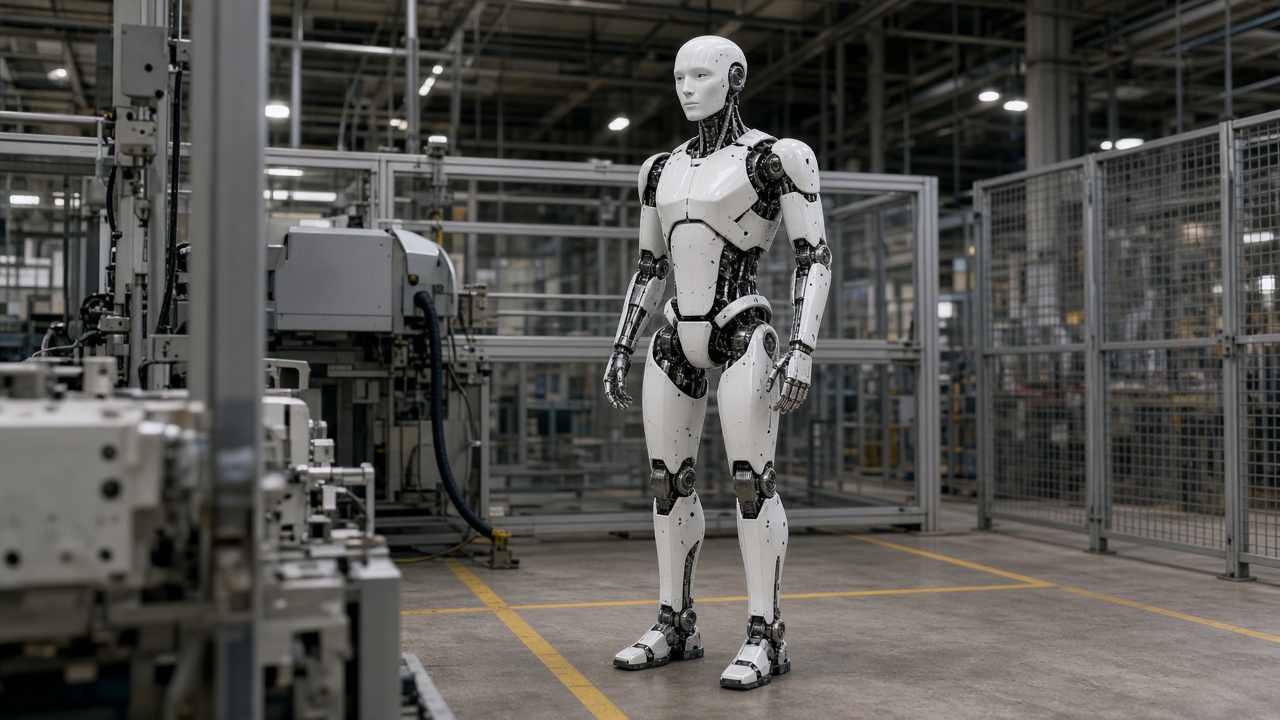
AI5 is the nearer-term chip; AI6 is the follow-on with more aggressive specs before later nodes. TrendForce said AI6 now targets 144GB of LPDDR6, still large by phone standards but about one-third below the previous plan. Both chips sit in Tesla's full self-driving stack and in Optimus, the humanoid factory robot Musk wants at scale.
Seoul Economic Daily, citing industry sources rather than a Samsung formal release, described Samsung's Taylor fab in Texas working on 2nm wafers at prototype stage with some lines already producing AI5 silicon. Mass-production verification by the end of 2026 and fuller supply in 2027 is the reported calendar. Treat that as supply-chain chatter until Samsung publishes its own milestones.
Musk said in April that AI6 would be about twice AI5 capability in the same half-reticle footprint on Samsung 2nm in Texas, with a later AI6.5 on TSMC 2nm in Arizona. This October memory cut does not erase that roadmap; it adjusts how much off-chip DRAM each generation carries.
SRAM, TRIP, and the humanoid DRAM pile
Musk has said roughly half of Tesla's TRIP accelerator area is dedicated to SRAM cache, and that on-chip SRAM bandwidth can be on the order of ten times DRAM bandwidth for relevant workloads. That is why he can claim trimming external DRAM hurts less than it would on a GPU that leans entirely on off-chip memory.
Separately, Micron commentary relayed through Wccftech estimated each humanoid could need on the order of 200GB of DRAM and several terabytes of NAND flash. That is a supplier-side guess about robot brains, not a Tesla-published Optimus bill of materials. It still signals why Musk is fighting for every gigabyte on AI5: the robot fleet story multiplies memory demand even if each car uses less.
Not the same story as HBM in 2028
AMU has covered Micron and high-bandwidth memory plans on a different timeline aimed at data-center accelerators. This piece is about Tesla trimming AI5 and AI6 DRAM footprints to get chips out the door for cars and robots now. Do not merge the two beats into one headline about Micron saving Tesla; the link is sector-wide memory tightness, not a single product cancel.
Where things stand
Tesla cut AI5 memory in half to 72GB LPDDR5 and reduced AI6 DRAM plans because supply and cost forced the issue, not because Musk abandoned the program. Bandwidth unchanged is the technical defense; Optimus volume is the business defense. Watch Samsung Taylor verification dates and whether Tesla revises specs again if DRAM loosens in 2027.
Sources: TrendForce on AI5 and AI6 memory cuts, 2 October 2026.