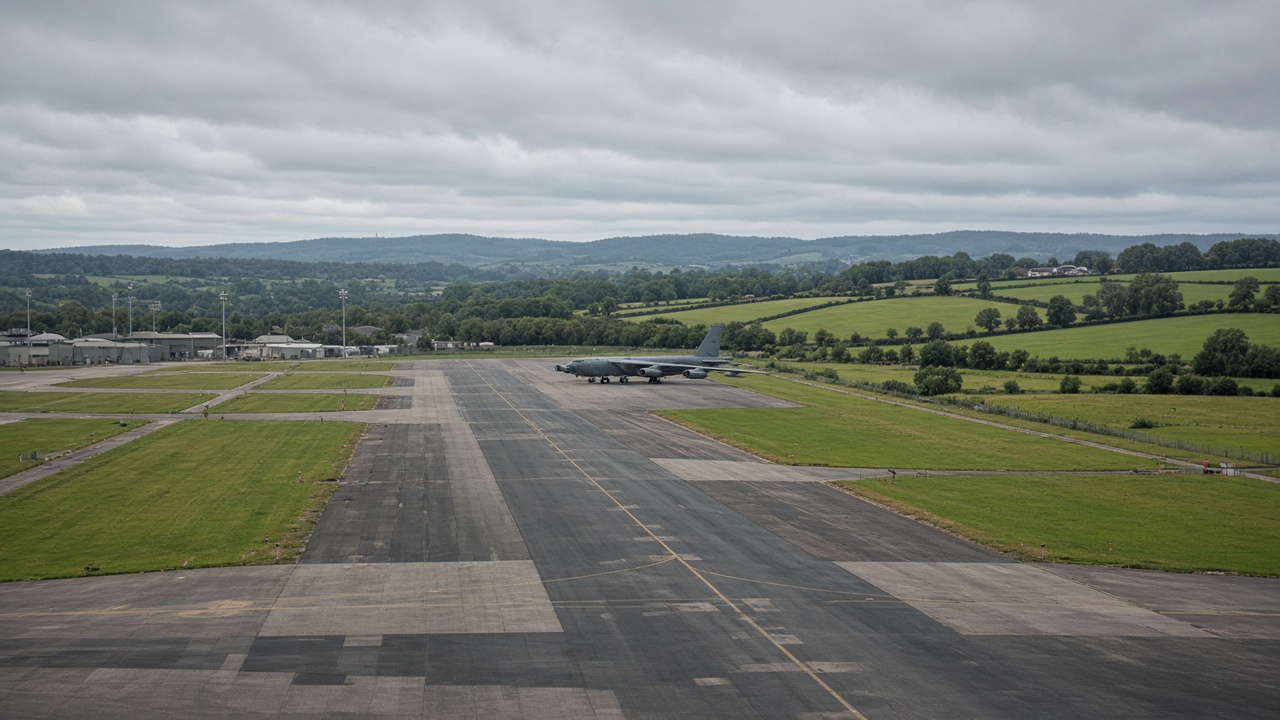
TL;DR: CNBC cited the Associated Press reporting that all B-1 bombers left Fairford once an investigation uncovered a terror plot aimed at the installation used for strikes on Iran. A Pentagon official not authorized to speak publicly said the bombers redeployed to home bases in the United States. Aviation trackers including the Military Air Tracking Alliance logged many B-1 departures on Sunday. B-52 and B-1 aircraft had flown from Fairford since the opening days of the Iran war. UK police arrested a dual British-Iranian national in central London last week on suspicion of plotting terrorism after a security incident at Fairford in late September; six people were held and later released on bail. British authorities linked the plot to Tehran; Iran denied involvement. Fairford sits about one hundred miles west of London. The same CNBC report noted UK Maritime Trade Operations warnings of tanker hits in the Gulf over the weekend in one line of live Hormuz risk.
Status note: Checked 5 October 2026 against CNBC's 4 October story citing AP and a Pentagon official speaking anonymously. Bomber counts and bail details can shift as UK courts and the USAF update statements. This move protects a base; it is not announced as an end to Iran strike missions.
Why the bombers left Gloucestershire
RAF Fairford is the kind of English countryside base Americans use when long-range bombers need a runway closer to the Middle East. Since the Iran war escalated with US and Israeli strikes starting 28 February 2026, B-52 and B-1 crews have rotated through Fairford for missions over the Gulf. CNBC's AP-sourced reporting said investigators found a planned terror attack targeting the base, and the USAF withdrew all B-1s in response.
A Pentagon official told AP the bombers returned to continental US home stations. That official spoke without permission to discuss the matter on the record, which is standard when terror and deployment timing overlap. Open-source flight trackers logged a cluster of B-1 movements on Sunday, matching the story aviation enthusiasts were already posting.
The London arrest and the Fairford scare
British police arrested a dual British-Iranian citizen in central London last week on suspicion of preparing acts of terrorism. The case followed a security incident at Fairford in late September. Authorities initially held six people and later released them on bail, CNBC noted through AP. UK officials linked the alleged plot to Tehran. Iran rejected the accusation.
Readers should separate two ideas. A terror probe can force a bomber pullout to protect crews and ordnance on the ground. It does not by itself mean Washington cancelled the air campaign. Other aircraft types may still flow through UK bases under different security postures, and home-station B-1s can reach the fight from the United States with tanker support, just on longer timelines.
Fairford has hosted American heavy bombers for decades during Middle East campaigns. A temporary empty ramp after a plot scare fits that history better than a headline about America leaving Europe.
What this is not
Social clips sometimes treat any US plane leaving Europe as retreat. Fairford's B-1 exit is tied to a specific threat finding, not a White House speech ending operations against Iran. CNBC's broader Gulf reporting the same day covered Iranian restatement of Hormuz closure conditions and weekend tanker strikes. That maritime violence belongs in the Hormuz update AMU published separately; here it only marks that the Iran war still runs on two fronts, sea lanes and air bases.
Where things stand
All B-1 bombers left RAF Fairford after UK and US investigators judged a terror plot credible enough to move metal out of harm's way. Strike-capable bombers can operate from the United States or other hosts. Iran denied backing the alleged plot; UK courts still owe public outcomes on bail cases. Treat the redeployment as base security, not as proof the Iran air war stopped.
Sources: CNBC on Fairford B-1 withdrawal and Gulf tanker hits, 4 October 2026.