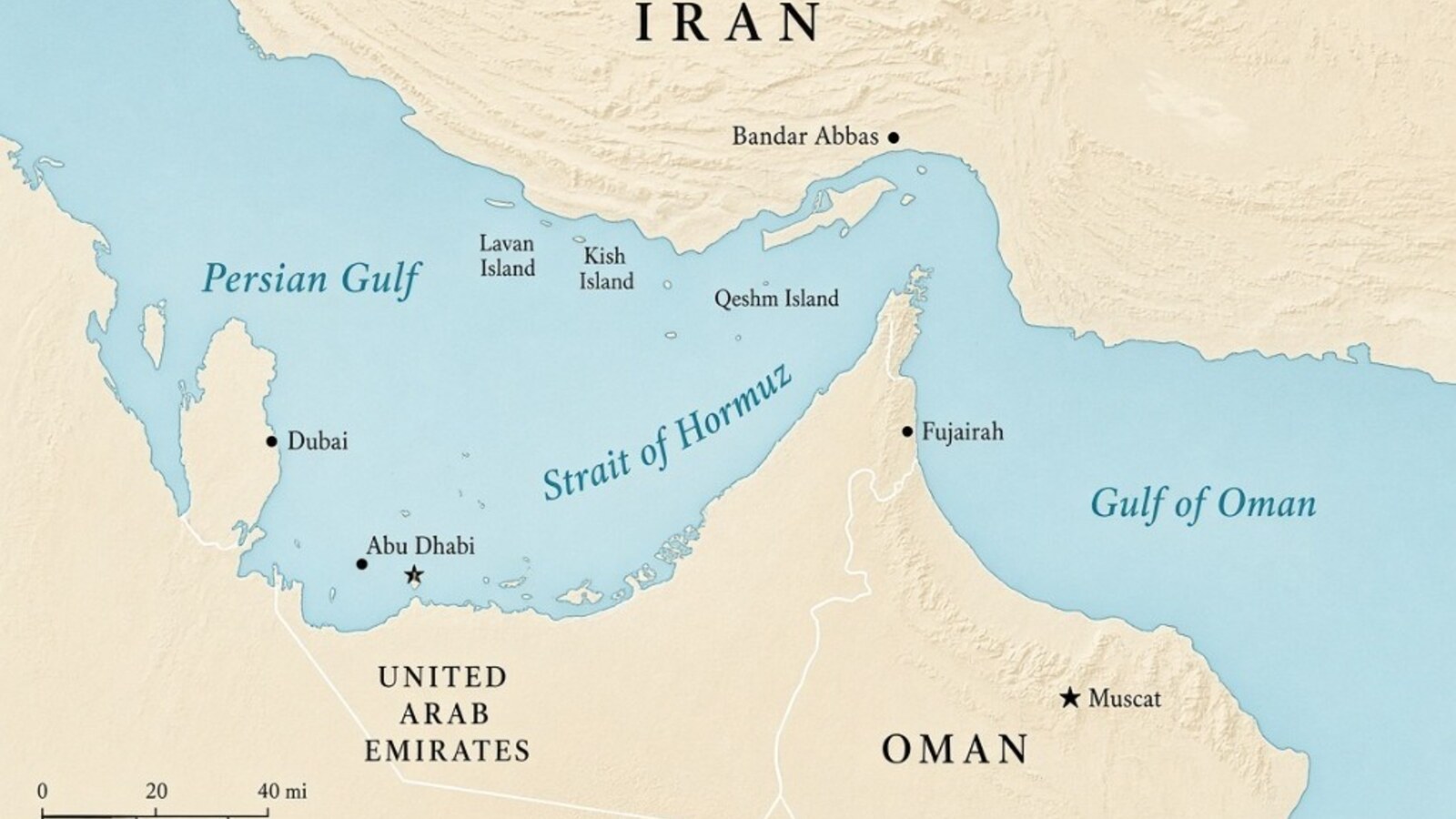
Donald Trump told reporters he was rejecting Iran's deal. He said it was not acceptable, and that Iran wanted to reopen Hormuz in seven days because they are "losing so badly." Iranian Foreign Minister Abbas Araghchi answered on Telegram: Iran would wait for a definitive official U.S. response via mediators.
Do not believe headlines that say a peace deal was signed, or that Hormuz is fully open. Neither claim matches the reporting. A rejection and a wait for a formal reply are the facts on the table.
TL;DR: Trump rejected Iran's seven-day Hormuz reopen plan. Tehran still wants a clear U.S. answer through go-betweens. The strait usually carries about a fifth of world oil and gas, and has been effectively closed since the war began in February 2026. A June U.S.-Iran understanding aimed at ending the war and reopening the waterway later broke down. Separate pressure on flights and banking is already under way under a White House label, "Operation Economic Outcast."
Status note: Checked 27 September 2026. Trump's public rejection is on the record. Tehran says it still awaits a formal reply. Hormuz traffic and any mediator channel can move quickly. Treat "deal signed" or "strait open" claims as false until primary sources say so.
What Trump rejected
Iran had floated a plan to reopen the Strait of Hormuz within seven days. Trump said he was rejecting that deal and called it unacceptable. He framed Iran's urgency as a sign of weakness, saying they wanted the waterway open because they are "losing so badly."
U.S. NATO ambassador Matthew Whitaker backed the rejection. He described the Iranian offer as half measures. That is the White House line so far: no buy-in on Tehran's seven-day timetable, and no praise for a partial reopen pitch.
For energy markets, the distinction matters. A rejected plan leaves the waterway's status unchanged. It does not reopen tankers by itself, and it does not create a signed ceasefire. It is a political no to a specific Iranian proposal.
What Tehran says next
Araghchi's Telegram message is careful. Iran is not declaring the channel closed for good. It says it will wait for a definitive official U.S. response through mediators. That leaves room for talks, but it is not a signed peace deal and not a shipping green light.
In June, a memorandum of understanding between the United States and Iran aimed to end the war and reopen the strait. That understanding later broke down. The new seven-day idea sits against that failed attempt, not against a clean restart with trust already rebuilt.
Readers should hold both beats: Tehran still wants an official answer, and Washington has already said this particular offer is not acceptable. Those can both be true at once.
Why Hormuz still matters
The Strait of Hormuz is the narrow waterway between the Persian Gulf and the open ocean. In normal times it usually carries around a fifth of the world's oil and gas supply. According to the BBC, it has been effectively closed since the war outbreak in February 2026.
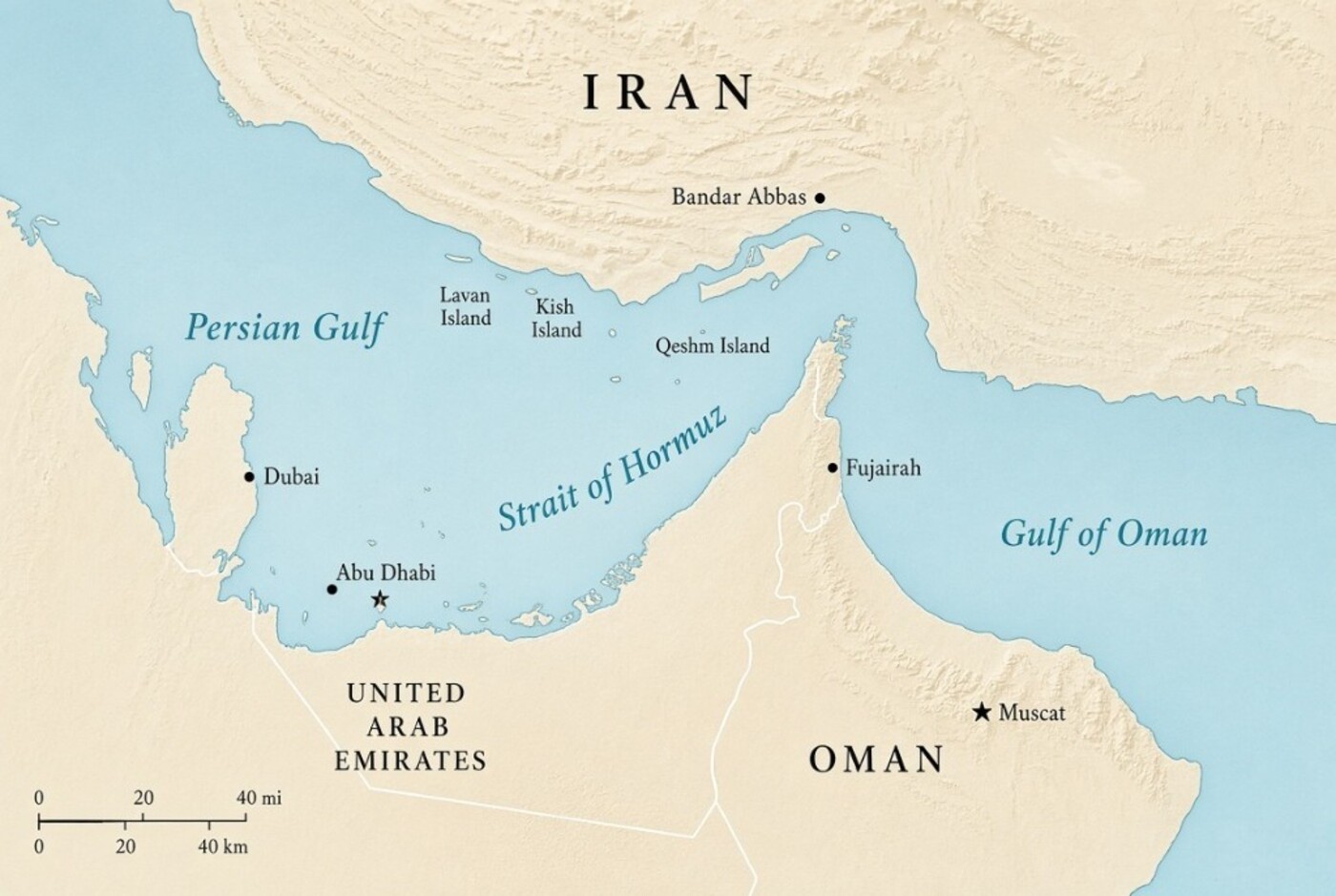
That is why a seven-day reopen pitch grabs markets and headlines. Closing or opening even part of that route can move energy prices and shipping routes worldwide. Rejection alone does not reopen traffic. Only real shipping conditions do.
If you see a chart claiming the strait is "back to normal," ask for vessel and insurer evidence. The brief's baseline is effective closure since February, plus a rejected reopen timetable in late September.
Pressure beyond the waterway
Treasury Secretary Scott Bessent said Turkey, Oman and the UAE had halted some Iranian airline flights. He also said some banks in the UAE and Turkey had stopped Iran transactions. The White House labels that pressure campaign "Operation Economic Outcast."
Those steps sit beside the Hormuz fight, not inside a peace deal. Flight and banking friction can raise costs for Iran even while the waterway stays effectively shut. They are leverage tools, not proof that talks succeeded.
China remains the biggest buyer of Iranian oil and has continued business despite prior U.S. sanctions, BBC economists note. So the economic squeeze is real in some places and leaky in others. Watch both Hormuz and who still buys Iranian barrels.
The false version online is the neat ending: deal signed, tankers free, crisis over. The real version is messier. Trump said no to the seven-day plan. Tehran says it still wants a formal U.S. reply. The strait's wartime closure still defines the energy risk.
Sources: BBC, 27 September 2026.