TL;DR: Mohammad Bagher Ghalibaf told Nournews the strait stays shut until seven Islamabad-based conditions are met. Iran says it will fight and negotiate and is neither excited nor scared by the latest US ideas passed through mediators. Foreign Minister Abbas Araghchi told diplomats in Tehran that diplomacy and defense both matter, and that Iran is more prepared if the US strikes again. Spokesperson Esmaeil Baghaei said Washington still leads with nuclear talks while Tehran's priority is reopening Hormuz. Trump already ruled out Iran's seven-day reopen plan. The war runs since US and Israeli strikes on 28 February 2026; in peacetime about one fifth of global oil and gas transits the strait, which has been largely blocked or disrupted for more than seven months.
Status note: Checked 5 October 2026 against Al Jazeera's 4 October report on Ghalibaf, Araghchi, and Baghaei, and CNBC's 4 October piece on conditions and Gulf tanker hits. Mediator channels and military moves can shift faster than public statements. This updates AMU's earlier Hormuz and carrier coverage; it is not a new peace deal or an open strait.
What Tehran said on 4 October
Speaker Ghalibaf used the Nournews outlet to restate a line Iran has been drawing for months: Hormuz is not a goodwill switch. It stays closed until seven conditions rooted in the Islamabad memorandum are satisfied. He framed Iran as ready both to fight and to talk, and said the latest US proposals delivered through intermediaries neither thrill nor frighten Tehran.
Foreign Minister Araghchi met foreign diplomats in the capital the same week with a twin message. Iran is serious about diplomacy, he said, and serious about defense. If the United States acts militarily again, Tehran is more prepared than before. That is threat and invitation in one breath, typical of a war that still runs hot at sea even when mediators whisper.
Foreign ministry spokesperson Baghaei sharpened the sequencing fight. Washington keeps putting nuclear negotiations at the center, he said. Iran's main goal remains reopening the strait. Readers should hear that as the headline under the headline: this is not two sides agreeing on one agenda. It is two agendas fighting for first place.
The seven conditions and the June pause
CNBC, citing Iranian officials and the earlier diplomacy, listed core demands: halt US aggression, end the naval blockade and wider economic pressure, and release frozen Iranian assets abroad. Washington's counter-demand remains dismantling or sharply constraining Iran's nuclear programme before it treats relief as earned. Neither list is new, but Ghalibaf's 4 October repeat matters because it closes the door on stories that treat a mediator phone call as a reopened lane.
The Islamabad memorandum of understanding dates to June, when Trump and Iranian President Masoud Pezeshkian briefly traded public signals and fighting eased for a short hiatus. That document is now the reference point for Iran's seven tests. Trump last week ruled out Iran's seven-day roadmap to reopen Hormuz in exchange for blockade relief. AMU covered Gulf export recovery and extra US naval power separately; export charts improving elsewhere do not cancel this closure rhetoric.
Why Hormuz still matters on the map
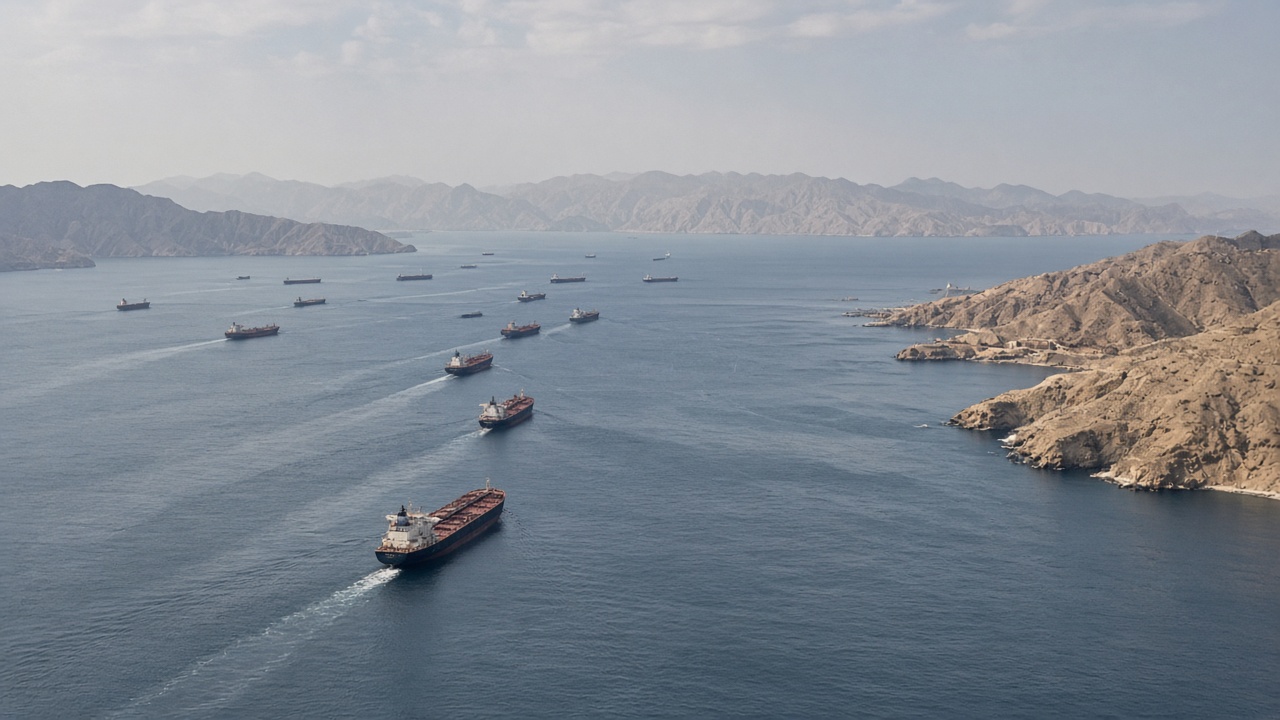
In quieter years roughly one fifth of the world's traded oil and gas moved through this narrow passage between the Gulf and the open ocean. Since the US and Israeli campaign that escalated on 28 February 2026, traffic has been largely blocked or severely disrupted for more than seven months. Tankers still move in the wider Gulf under risk tricks AMU has described elsewhere, but Iran's export column stays near zero under US blockade pressure while Saudi and Emirati barrels find workarounds.
CNBC also noted more tanker strikes over the weekend in Gulf waters as Iran reiterated its terms. That belongs here as one clause of live risk, not as proof the entire war restarted overnight. It shows the strait remains a weapons zone while diplomats argue about order of concessions.
Where things stand
Iran's 4 October statements are a sequencing stand, not a ceasefire and not an announcement that Hormuz is open. Tehran ties the waterway to Islamabad conditions; Washington still wants nuclear movement up front. Mediation can continue while the choke point stays closed. Until both sides agree on who moves first, treat every "talks continue" line as compatible with a shut strait, not as proof ships can sail as they did before February.
Sources: Al Jazeera on Iran's Hormuz conditions, 4 October 2026; CNBC on conditions and Gulf tanker hits, 4 October 2026.