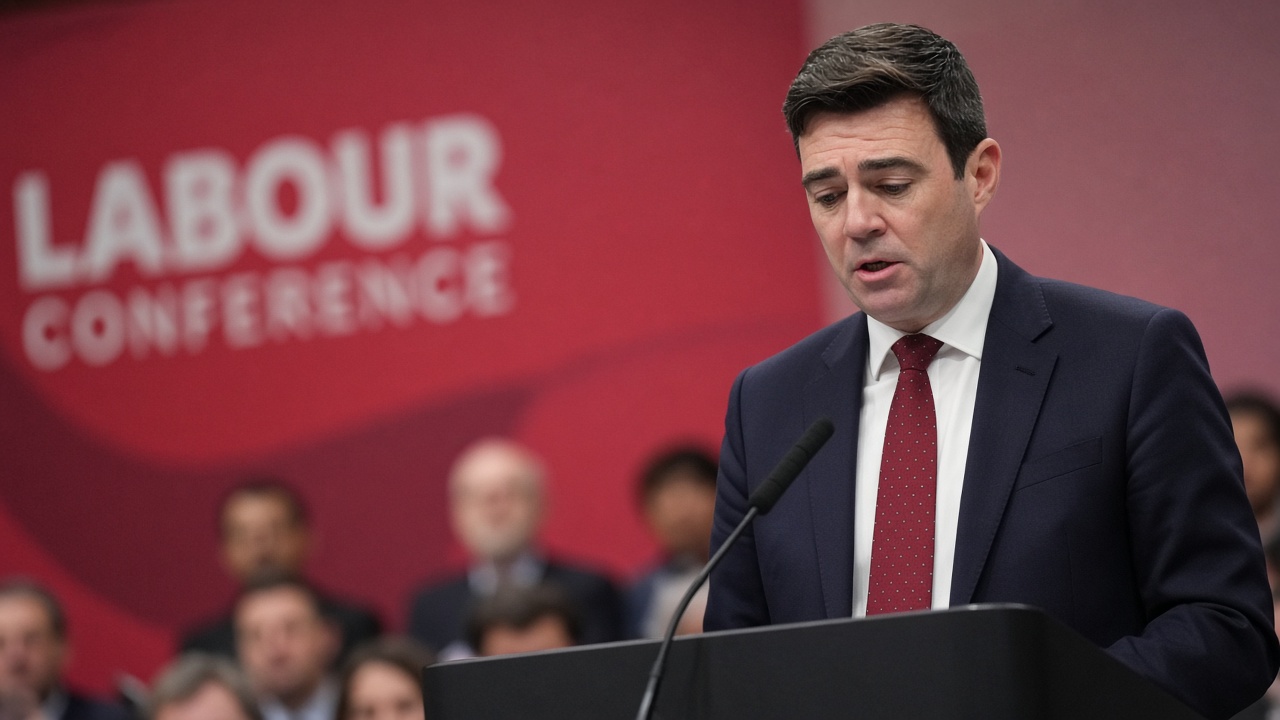
Burnham pledged universal free-at-point-of-use social care for England, to be put to voters at the next general election, which must come by August 2029, with an aim to roll out from about 2030. He also promised a Great British Grid body inside Great British Energy to invest and compete on grid connections, funded from the existing GB Energy budget. The energy pitch is blunt: drive UK costs toward European peers within ten years.
TL;DR: Burnham's first PM conference speech promises free social care for England as a next-election ask, with rollout eyed from ~2030. A Great British Grid arm would use existing GB Energy money to fix connections. Youth jobs and more public control of utilities and housing sit alongside. Treat this as a political programme, not a bill already law.
Status note: Checked 29 September 2026 against Politics.co.uk and BBC reporting on the Liverpool conference speech. Social care still sits against the Casey review background. Legislation, funding detail and election timing can all move. Watch the next Budget and any formal white paper for costed plans.
Social care as an election ask
England's social care system is means-tested and patchy. Burnham's line is universal care free at the point of use, on the National Health Service model of access rather than today's ability-to-pay maze. He says the proposition goes to voters at the next election, due by August 2029 at latest, with delivery aimed from around 2030. The Casey review remains part of the policy background; this speech does not replace that work with a finished statute.
For families stuck between hospital discharge and unpaid care, the political signal is clear. For fiscal hawks, the missing piece is still the price tag and the tax or reallocation path. This brief records the pledge and the timeline Burnham stated. It does not invent a scored cost.
Grid, energy costs and public control
Great British Grid would sit inside Great British Energy as a public body meant to invest and compete on grid connections. Funding is described as coming from the existing GB Energy budget, not as a fresh spending envelope announced in this speech. Burnham also floated self-build connection rights for businesses that want to move faster on linking projects to the network.
The goal attached to the energy package is to push UK energy costs toward European peer levels within ten years. That is a destination, not a overnight price cut. The same speech leaned into youth unemployment and into themes of greater public control over utilities and housing. Those are direction-of-travel signals for the Burnham premiership's first conference, not a full nationalisation bill text.
How to read the Liverpool pitch
Conference speeches are for defining the offer. They are not royal assent. The false version online will treat free care and a new grid body as already delivered. They are not. What is real today is the political commitment: care as a 2029 election centrepiece with a ~2030 rollout aim, a grid institution inside GB Energy on existing money, and a ten-year cost-convergence target plus youth jobs and public-control themes.
Voters, care workers, developers waiting on connections, and investors in UK power should watch what appears in legislation and in the Budget next, not only what landed in the hall in Liverpool.
Sources: Politics.co.uk, Burnham vows action on social care, youth unemployment and public control of utilities; BBC coverage of Burnham's conference speech.