TL;DR: Mainichi and Kyodo reported the 69-day extraordinary session began Monday with Takaichi due to deliver a policy speech to both houses later that day. Her growth package targets a two-year food and beverage consumption tax cut from 8 percent to 1 percent from April 2027 to fight living costs. Jiji quoted finance officials saying the plan avoids new deficit bonds and that there is nothing to worry about on funding, without publishing a total yen price tag in the English coverage. A five-year growth strategy implementation plan rides alongside. This is a legislative push after February's landslide lower-house win, not enacted law.
Status note: Checked 5 October 2026 against Mainichi English and Kyodo coverage of 5 October 2026. Tax rates, start dates, and offsets can change in committee. Upper-house numbers mean opposition delay tactics remain live even with a two-thirds lower-house bloc.
Why food tax dominates the session
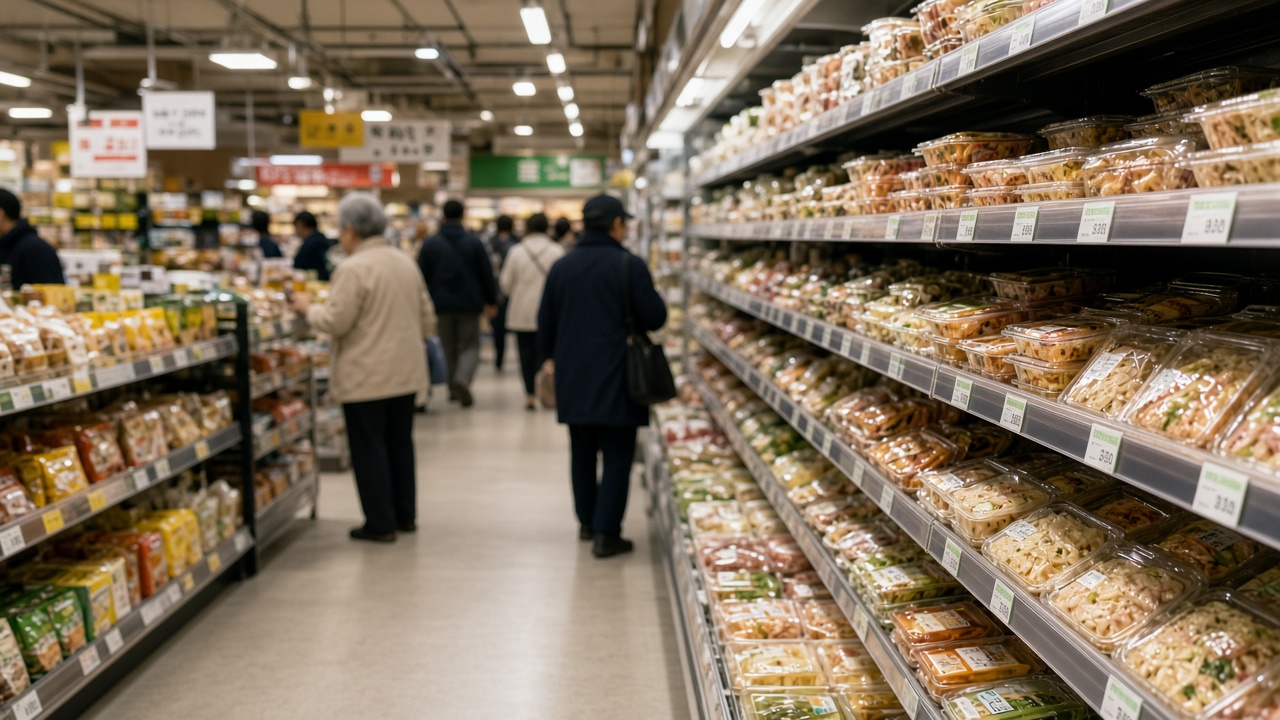
Japan's national consumption tax applies to most goods and services, with a reduced rate already in place for food and drink purchases. Takaichi campaigned on making daily groceries feel cheaper at the register. Cutting the food and beverage slice from 8 percent to 1 percent for two years would show up directly in supermarket receipts, a political win voters can see without reading budget tables.
Inflation after years of flat prices still hurts older households on fixed pensions and younger workers facing weak wage growth in parts of the economy. A temporary tax holiday on essentials is easier to sell than complex transfer payments, even though economists debate how much of the cut retailers pass through versus absorb in margins.
What the coalition is trying to pass
The extraordinary Diet session scheduled for 69 days gives Takaichi a window to move priority bills before regular calendar constraints return. Mainichi's English service said she would address both chambers later on 5 October after the session opened, setting the agenda for tax legislation and a five-year growth strategy implementation plan that bundles industrial policy goals with the consumption tax package.
Finance ministry voices quoted by Jiji through the same news cycle insisted the package would not rely on new deficit-financing bonds and told reporters there was nothing to worry about regarding funding. That reassurance is politics and messaging until lawmakers publish detailed revenue offsets. The English-language reports AMU relied on did not attach a total fiscal cost figure to the two-year cut.
Arithmetic in the Diet, not on the street yet
Takaichi's Liberal Democratic Party-led coalition won a landslide in February 2026, securing more than two-thirds of the lower house. That supermajority can push many bills through the chamber that matters for budgets and tax law. The upper house remains a minority for the coalition, so opposition parties can slow confirmations, force extended debate, and leverage committee gavels even when they cannot permanently block every lower-house vote.
Opposition leaders planned to grill two ministers over a funding scandal as the session opened, a standard tactic to dent the government's momentum before tax votes. Scandal hearings do not automatically kill tax cuts, but they consume calendar days in a session capped at 69 days.
What shoppers should expect
If the food tax cut clears the Diet unchanged, consumers would see lower tax on groceries and dining from April 2027 for two years under the reported plan. Until enactment, posted prices stay at today's 8 percent reduced rate on eligible food and drink. Retailers may advertise future savings early; that is marketing, not law.
Macro economists will watch whether the Bank of Japan treats the cut as a one-off price level shift or whether it nudges wage bargaining. Households mostly care about net pay and rice ball prices. This story sits in the legislative column until the promulgation date hits the Official Gazette.
Where things stand
Takaichi opened an extraordinary session with a high-profile consumption tax cut on food and beverages as the headline promise. Bills still need drafting, committee votes, and upper-house negotiation. Officials say they can fund the package without new deficit bonds, but the public English reporting did not spell out every offset yen.
Posts claiming the 1 percent register price is already law jump ahead of the Diet. Watch committee text for start dates, exclusions on alcohol or dining-out categories, and whether opposition amendments sunset the cut early. For now, Tokyo wants cheaper grocery tax bills; lawmakers have not finished the job.
Sources: Mainichi (English), 5 October 2026.