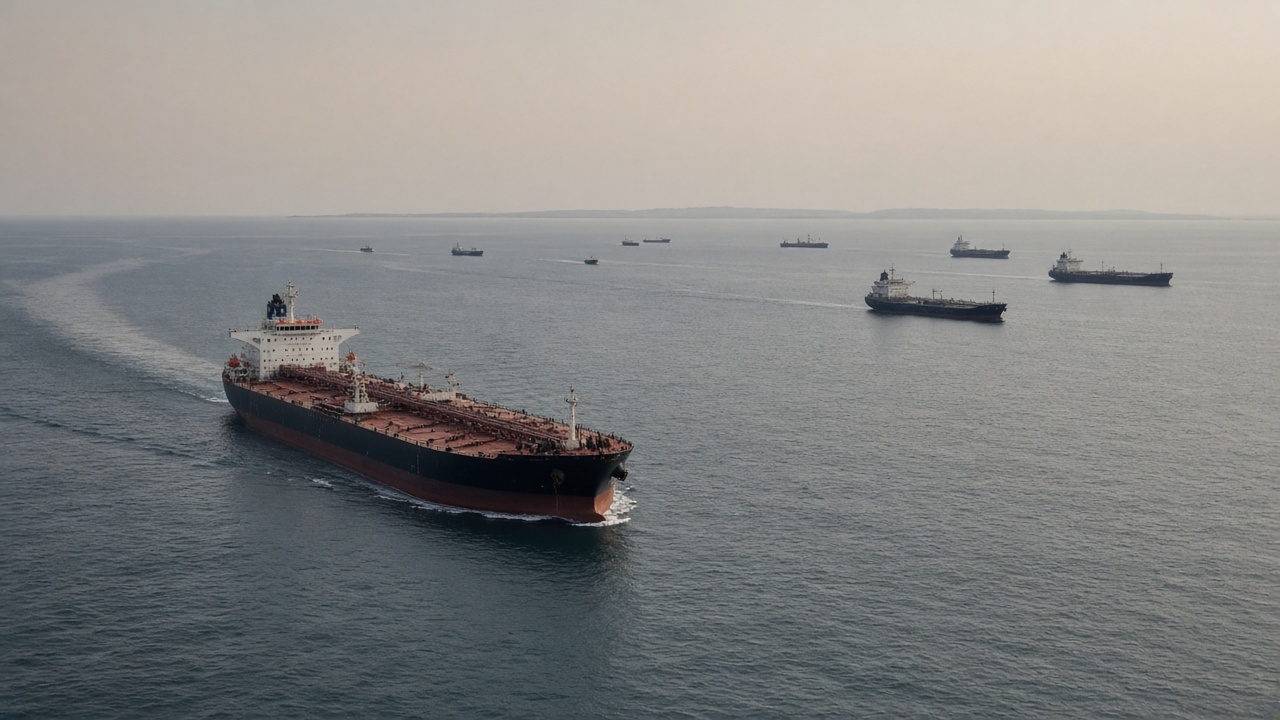
TL;DR: JPMorgan estimated Middle East crude exports at about 17.5 million barrels per day this past week, roughly 98% of prewar levels; Goldman Sachs put the figure near 19 million. Kpler data show Gulf crude recovered to prewar flows, with September at least 16.5 million bpd and about 40% of crude now leaving the region without crossing Hormuz versus 17% before the war as Saudi Arabia and the UAE use pipelines. More than 70% of August Hormuz crossings involved ship-to-ship transfers offshore. Iran exports remain essentially zero. Trump rejected a seven-day reopening plan tied to blockade relief.
Status note: Checked 5 October 2026 against Fortune's 4 October piece citing JPMorgan, Goldman Sachs, Kpler, Batmanghelidj of Bourse & Bazaar, and Wall Street Journal sourcing on Trump's military timing. Flow numbers move weekly; Hormuz risk and Iranian retaliation options can shift faster than export tallies.
What the export numbers actually show
When fighting near Hormuz spiked insurance premiums and scared charterers this year, traders feared a prolonged export collapse that would rip through gasoline and diesel prices worldwide. The October bank and Kpler snapshots describe partial healing on volume, not on politics.
Fortune reported that JPMorgan, in work this past week, put Middle East crude exports at about 17.5 million barrels per day, around 98% of levels before the latest regional fighting escalated shipping fear. Goldman Sachs analysts landed higher, near 19 million bpd. Both are private bank views built on shipping and production signals, not an official OPEC press release.
Data firm Kpler told Fortune that Gulf crude exports have recovered to prewar patterns. September flows were at least 16.5 million bpd. The more interesting structural shift is route mix: about 40% of crude now leaves the Gulf without transiting Hormuz, compared with roughly 17% before the war, as Saudi Arabia and the United Arab Emirates push more volume through pipeline networks that bypass the strait choke point.
Among cargoes that still crossed Hormuz in August, Kpler said more than 70% changed tankers offshore in ship-to-ship transfers rather than sailing straight through under a single hull name. That is a risk-management dance: insurers, owners, and buyers trying to keep barrels moving while limiting exposure to a narrow waterway Iran has threatened.
What has not normalized
High export totals do not mean Iranian oil is back on the market. Fortune noted the U.S. blockade keeps Iran's exports essentially at zero. The Trump administration has publicly boasted that the United States controls the strait in operational terms useful to its side. That is politics layered on top of tanker math.
Batmanghelidj, founder of Bourse & Bazaar, told Fortune Iran retains options to hit infrastructure if the confrontation drags on. He described a full scorched-earth campaign as not yet chosen but possible if the situation persists. Empty export columns for Iran and loud U.S. strait claims belong in the same story as recovering Saudi and UAE flows, not as proof the conflict ended.
Fortune also reported that President Trump rejected a seven-day plan to reopen Hormuz in exchange for blockade relief. Separately, citing Wall Street Journal sources, Fortune said Trump expects bombing to resume after the U.S. midterm elections. That timing claim is WSJ reporting via Fortune's article, not a White House schedule on the record.
Military moves in one sentence
Fortune flagged deployments including the Roosevelt carrier group and the Makin Island amphibious ready group with the 13th Marine Expeditionary Unit. AMU has already covered the third-carrier posture in the region; this piece only notes that additional naval and marine assets are still rotating in while export data improve.
Diplomacy and money on the sidelines
Iranian President Masoud Pezeshkian told Fox News that money in China was blocked, Fortune reported. That line is interview rhetoric, not a confirmed banking total in public filings. It still lands in a week when Gulf barrels look almost normal on a spreadsheet while the strait itself stays a flashpoint.
Where things stand
Gulf crude exports near prewar levels describe a logistics recovery: more barrels moving, more pipeline bypass, more offshore tanker swaps. They do not mean Hormuz is safe, Iran is exporting again, or Washington and Tehran struck a durable bargain. Readers should hold two ideas at once: the volume chart looks almost healed, and the war risk chart does not. Gasoline traders may breathe easier on supply; Gulf diplomats and tanker captains still operate under the same narrow strait that made headlines when the conflict heated up.
Sources: Fortune on Gulf flows, Hormuz risk, and carrier deployments, 4 October 2026.