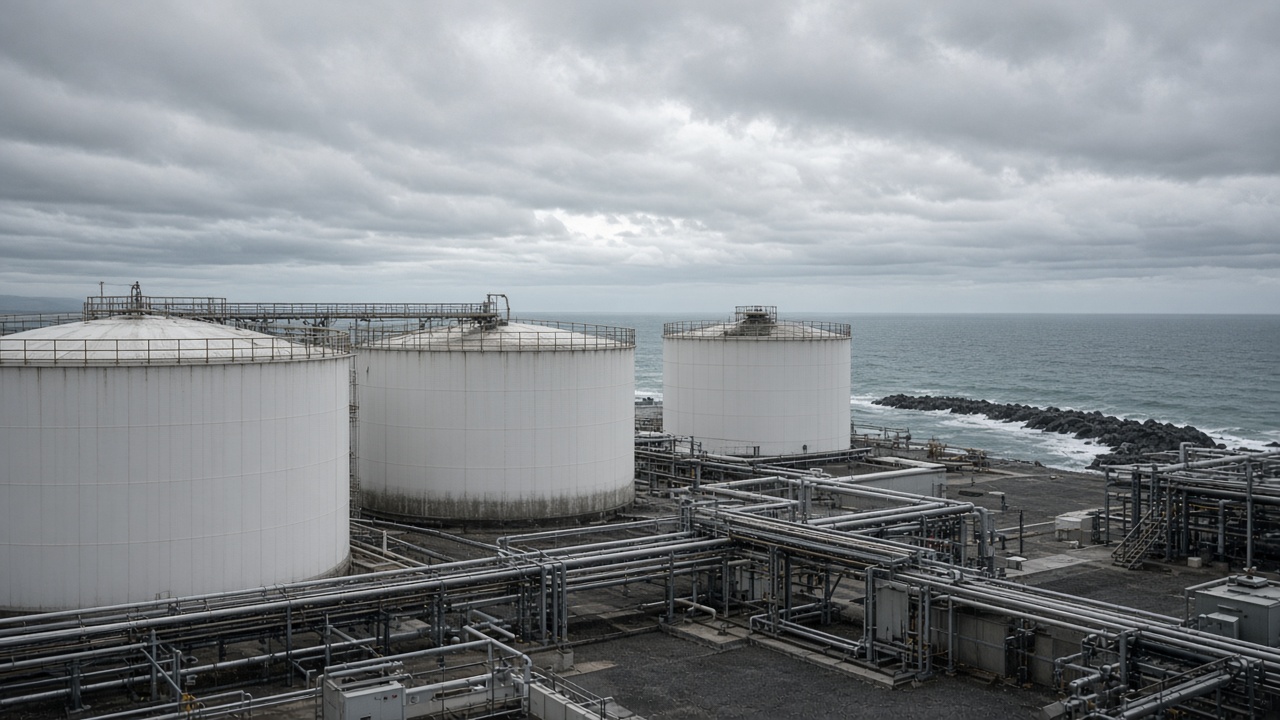
TL;DR: After a virtual G7 meeting chaired by France's Emmanuel Macron, members and partners will release 100 million barrels from strategic stocks immediately, spread over four months, with a heavy diesel push in the first 20 days. They agreed to avoid G7-to-G7 export restrictions on energy, coordinate refinery maintenance, and ask the International Energy Agency for a follow-up report within 20 days. Brent crude briefly dipped under $100 a barrel then traded near $102 on Friday. This is a stock draw, not a ceasefire in the Middle East and not a published country-by-country barrel split.
Status note: Checked 5 October 2026 against the European Council press release of 2 October 2026 and BBC reporting the same day. Actual barrel timings, IEA numbers, and market prices can move daily.
Why the G7 is draining stocks now
The International Energy Agency coordinates emergency releases when ministers judge that supply shocks threaten consumers and industry. G7 countries hold large public stockpiles precisely for coordinated drawdowns rather than every nation freelancing its own panic sale. The 2 October statement came after weeks of Middle East tension that pushed oil prices well above pre-war levels near $73 for Brent, according to BBC market context.
UK drivers felt the diesel side hard. BBC noted diesel above £2 per litre, with more than half of Britain's diesel imported and about 31 percent of those imports coming from the United States. When shipping lanes and refinery runs tighten, governments often reach for stocks to bridge the gap while refineries catch up.
What leaders actually signed up for
The European Council published the G7 leaders' statement on global energy security and market stability on 2 October. Leaders backed an immediate coordinated IEA release of 100 million barrels over four months. They said the package would be front-loaded, with a substantial share of diesel in the first 20 days from G7 members and partners, and that more diesel could follow through the IEA in coming days.
They also agreed to coordinate refinery maintenance schedules where possible and to raise refinery utilisation where feasible, language aimed at getting more fuel out of existing plants instead of letting units sit idle during peak stress. Separately, they committed to refrain from imposing export restrictions on energy between G7 members, a direct response to fears that one country's ban could strand allies.
Leaders asked the IEA executive director to report back before the 20-day mark on how the release is proceeding. That deadline keeps the story live even after the headline number fades.
Diesel politics and what this is not
BBC reported that Macron chaired the virtual summit while Trump had threatened a U.S. diesel export ban and later said it was never really on the table. U.S. Treasury Secretary Scott Bessent linked diesel costs to farmers and truckers in the coverage. Macron spoke of up to 100 million barrels in that framing, and UK Energy Secretary Ed Miliband joined the meeting.
That noise matters for readers sorting headlines. A strategic petroleum release lowers stored barrels now to calm prices; it does not by itself stop Iran-related attacks or reopen every Hormuz lane. The G7 statement condemned Iran's attacks, called for restoring navigation through the Strait of Hormuz, and commended U.S. efforts on Hormuz commerce while keeping Russia sanctions in place.
None of that replaces a detailed public ledger of which country donates how many barrels on which dates. The 100 million figure is a group commitment through the IEA process, not a signed spreadsheet of national quotas in the Consilium text.
Where things stand
Markets reacted quickly but not magically. BBC said Brent briefly traded below $100 before settling around $102 on Friday after the announcement, still far above the pre-war neighbourhood near $73. Consumers may see pump relief lagging weeks behind political statements because logistics and refinery runs take time.
Posts claiming the G7 banned U.S. diesel exports or ended the Gulf crisis in one video miss the split: coordinated stock release plus a pledge against intra-G7 export bans, alongside unchanged sanctions and unresolved shipping risk. Watch the IEA follow-up within 20 days for whether the diesel front-load matches the promise.
Sources: European Council, G7 leaders' statement, 2 October 2026; BBC News, 2 October 2026.